Make the invisible available to look at.
The thesis investigates mould and fungi, turning close observations into a visual language and an exhibition experience.
Visual research · MA thesis
A way of working
This visual research project turns towards mould and fungi, not as an aesthetic curiosity, but as a way to question how we see transformation, care and interdependence. Observation across scales becomes a visual language: a bio-graphy of the invisible.
A visual research project exploring mould and fungi through observation, image-making and a changing scale of attention.
What if the thing we turn away from could teach us how to look?
A design practice can learn from organisms that grow through relation, adaptation and time.From disgust to wonder · Research premise
The thesis investigates mould and fungi, turning close observations into a visual language and an exhibition experience.
The research asks what mould and fungi can teach visual design about control, perfection, time and interdependence.
Naked eye, stereomicroscope and phase-contrast microscope reveal patterns that are easy to miss in everyday life.
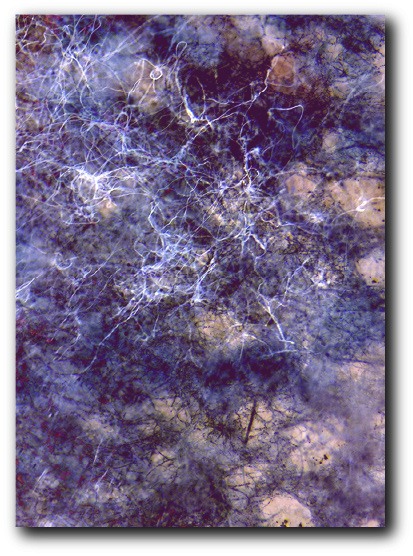
Working directly with biological material, the research moves between naked-eye observation, stereomicroscope and phase-contrast microscope. Each image records a trace left by mould on the substrate it colonises.
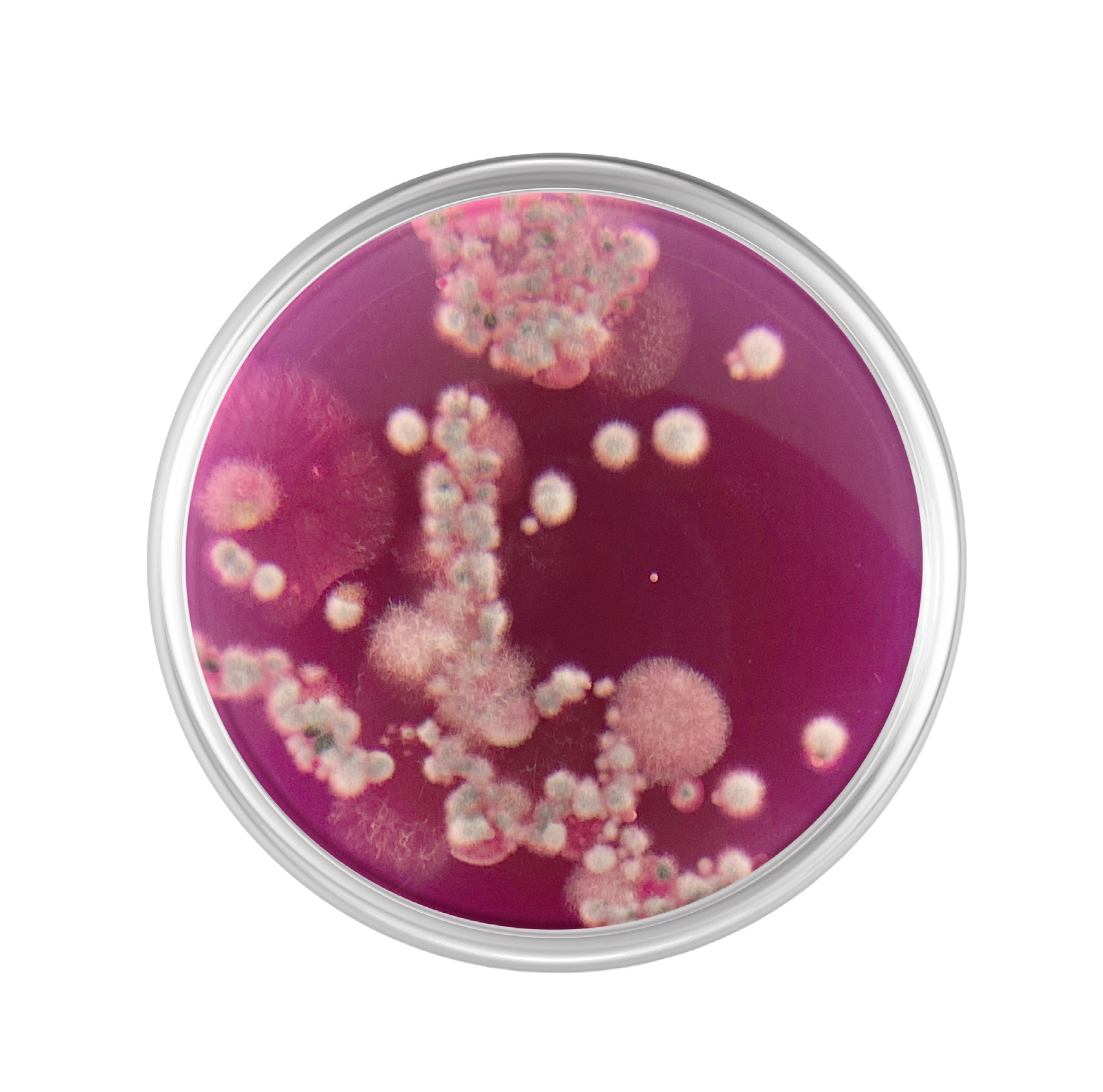
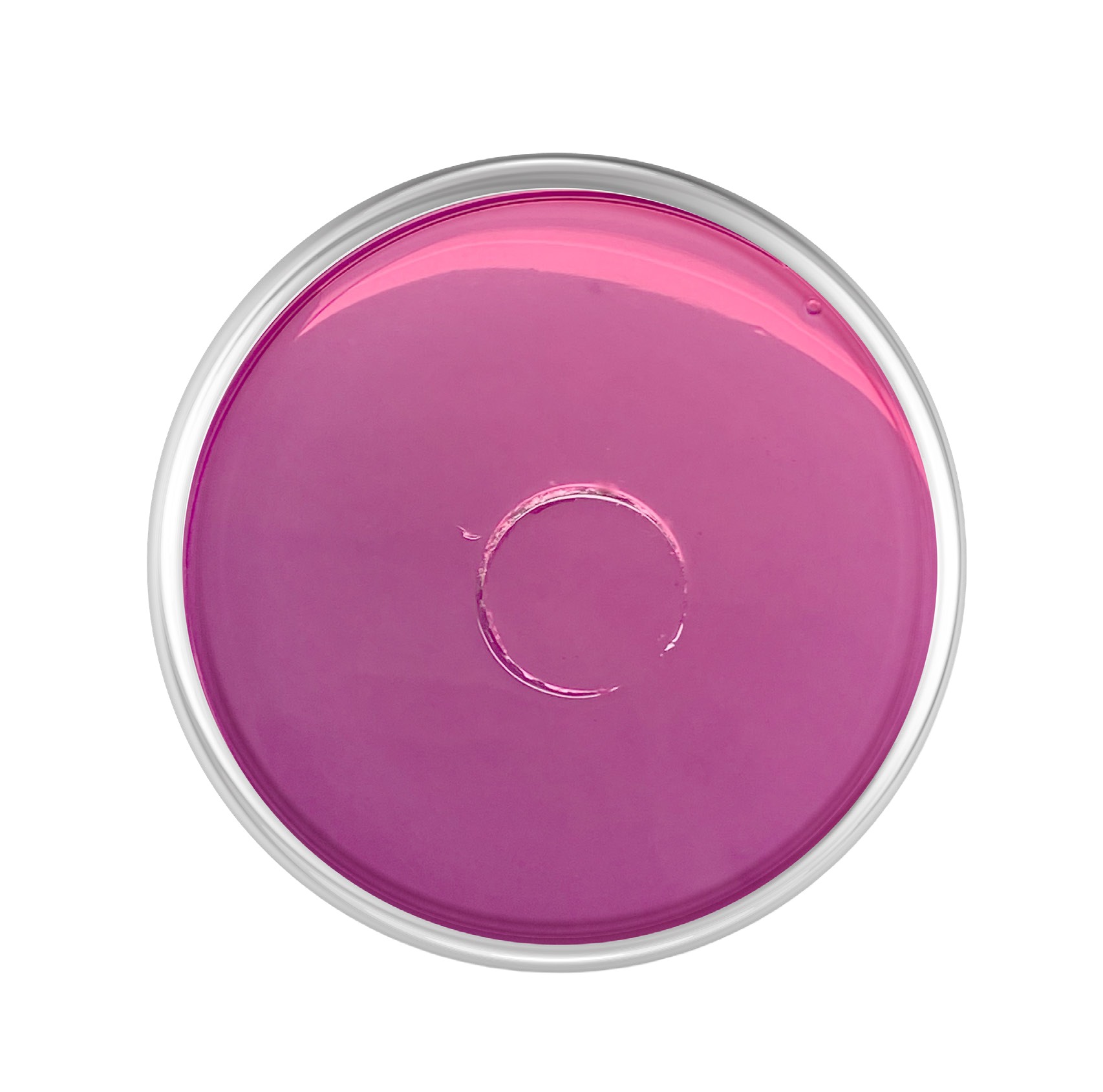
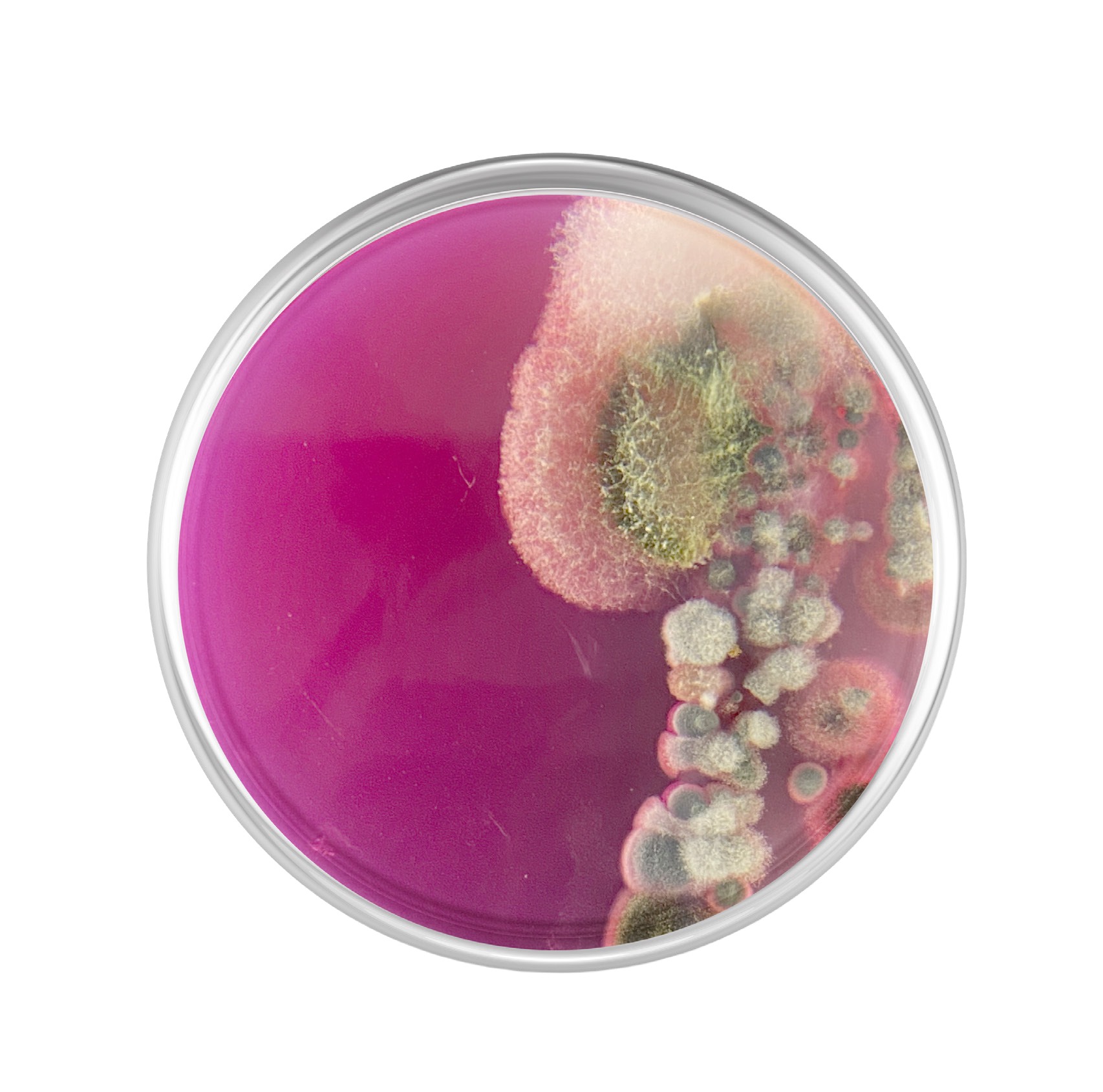
Each image becomes a trace left by mould on the substrate it colonises. The project translates these marks into a visual language for growth, contact and interdependence.
From bios (life) and graphè (to write or inscribe): six panels translate mould growth into an interconnected visual landscape of time, contact and transformation.
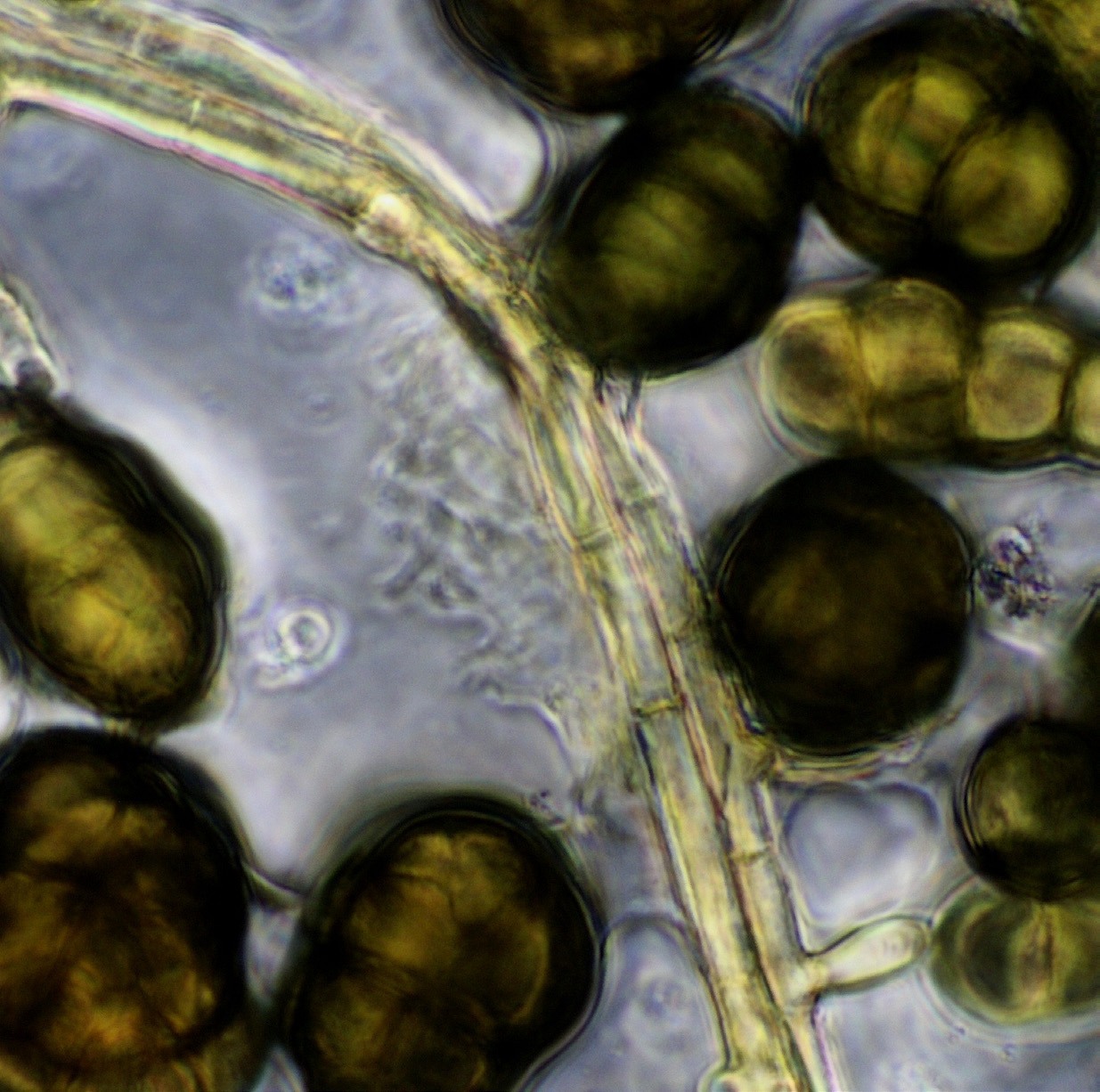
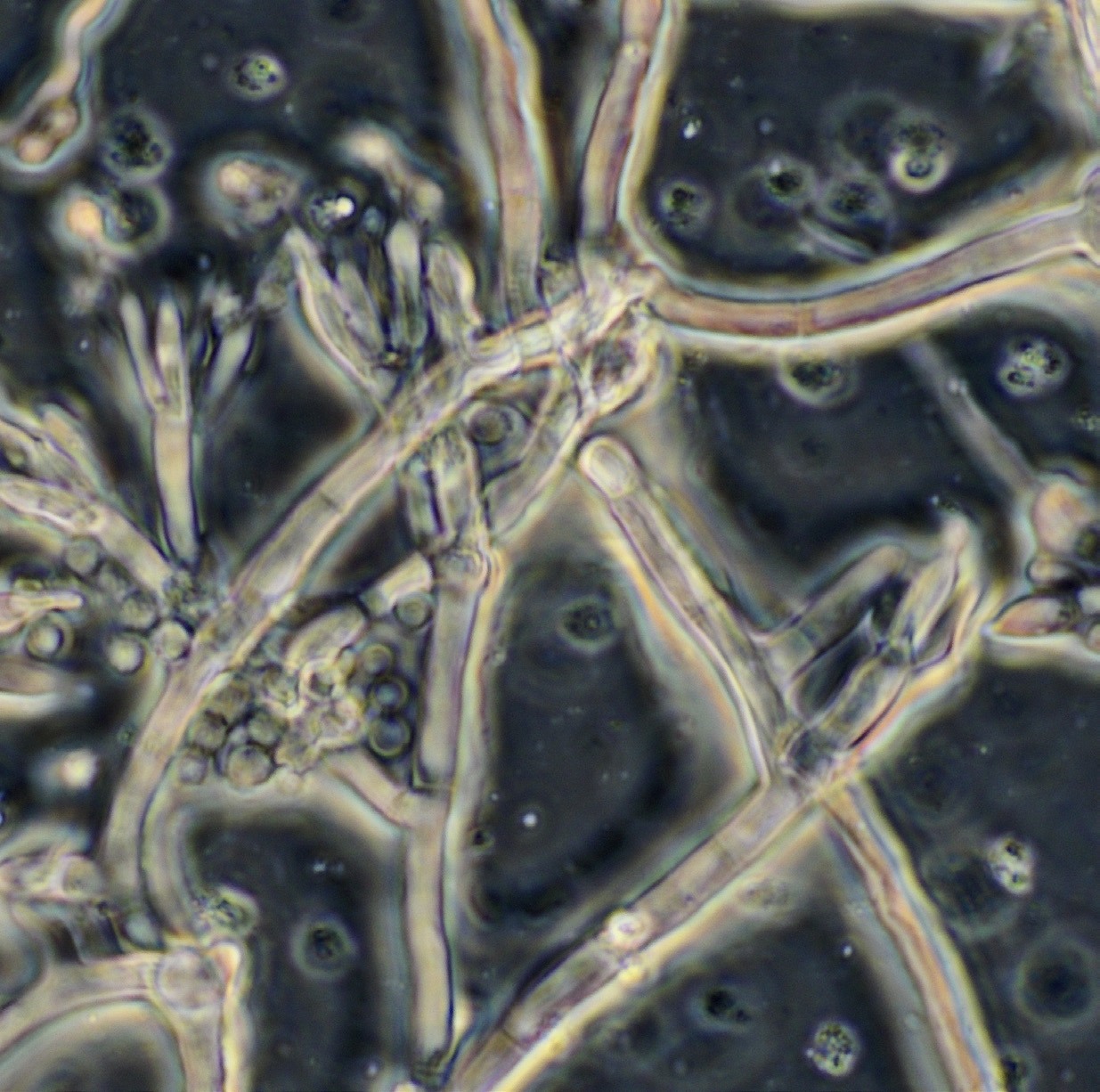
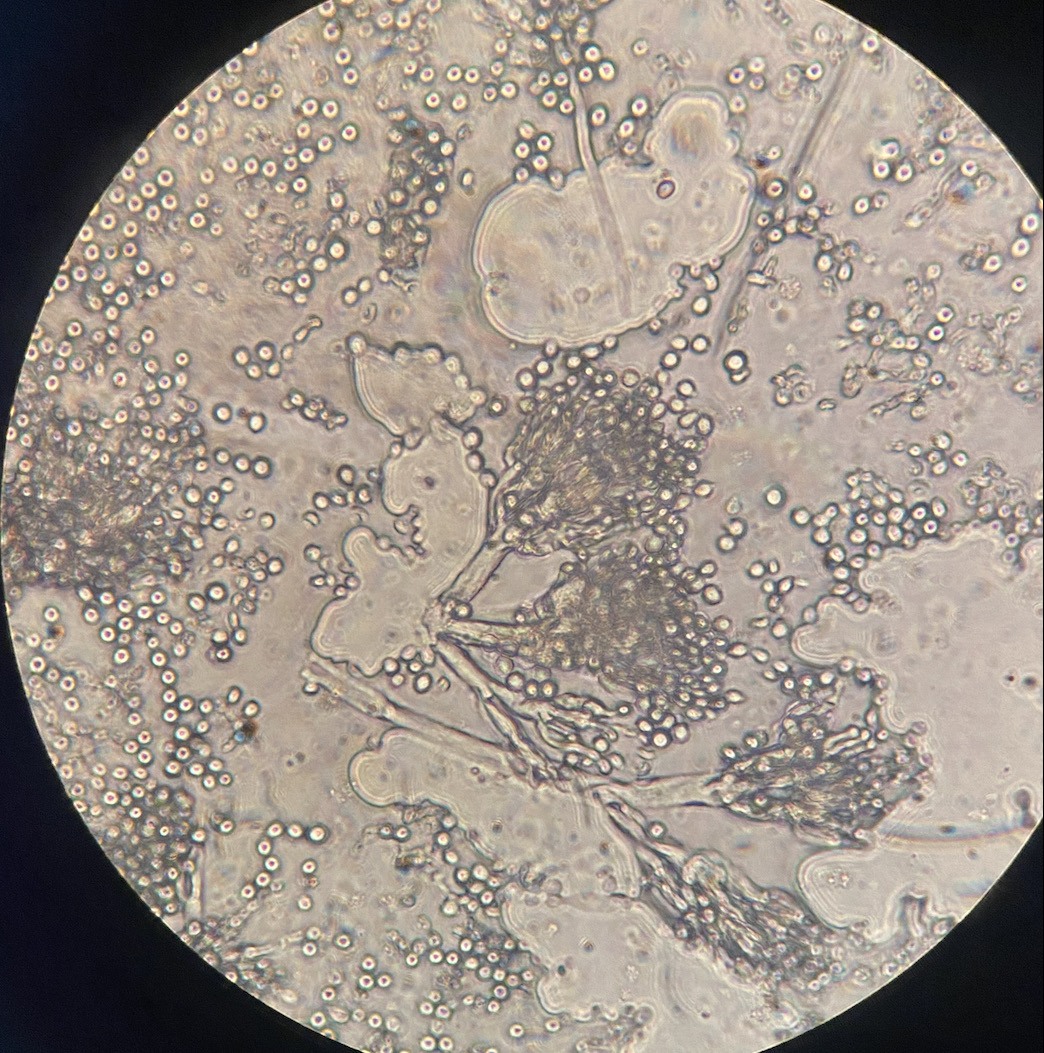
Six panels bring individual observations together as an interconnected landscape, shifting attention from isolated forms to relationships between them.
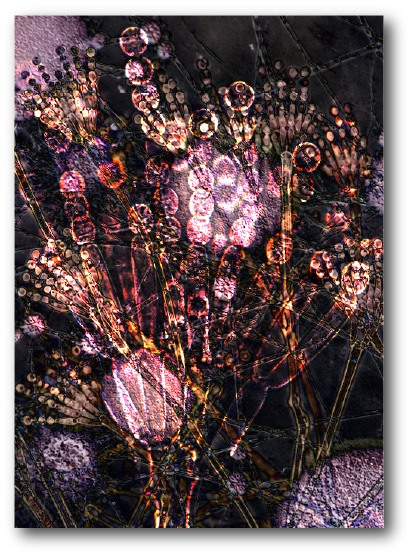
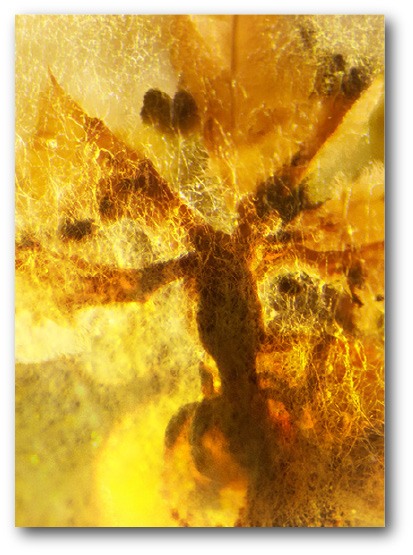
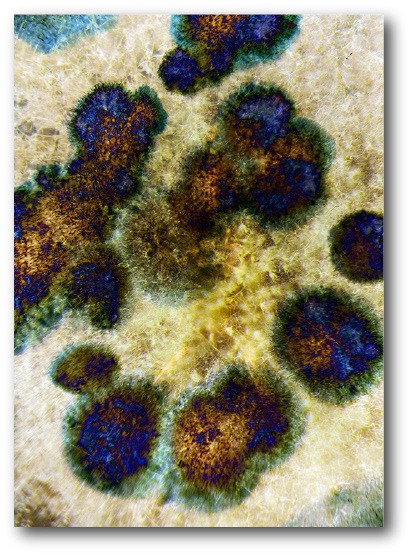
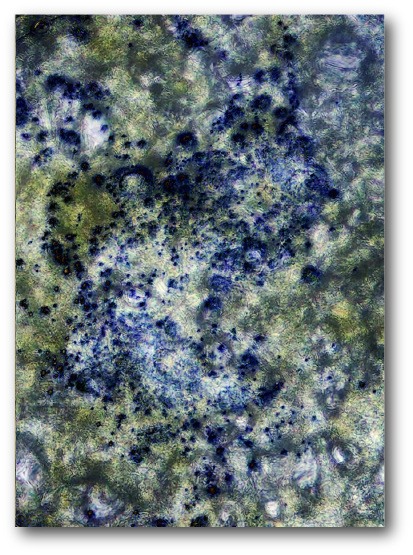
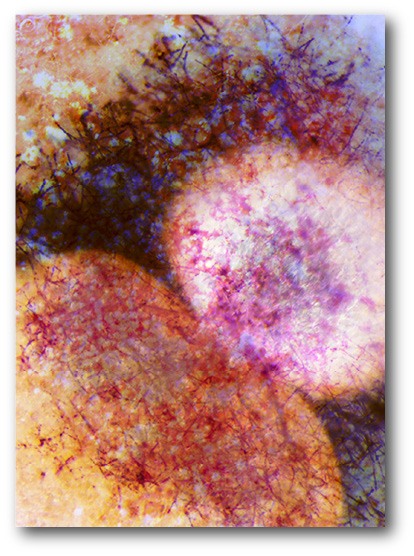
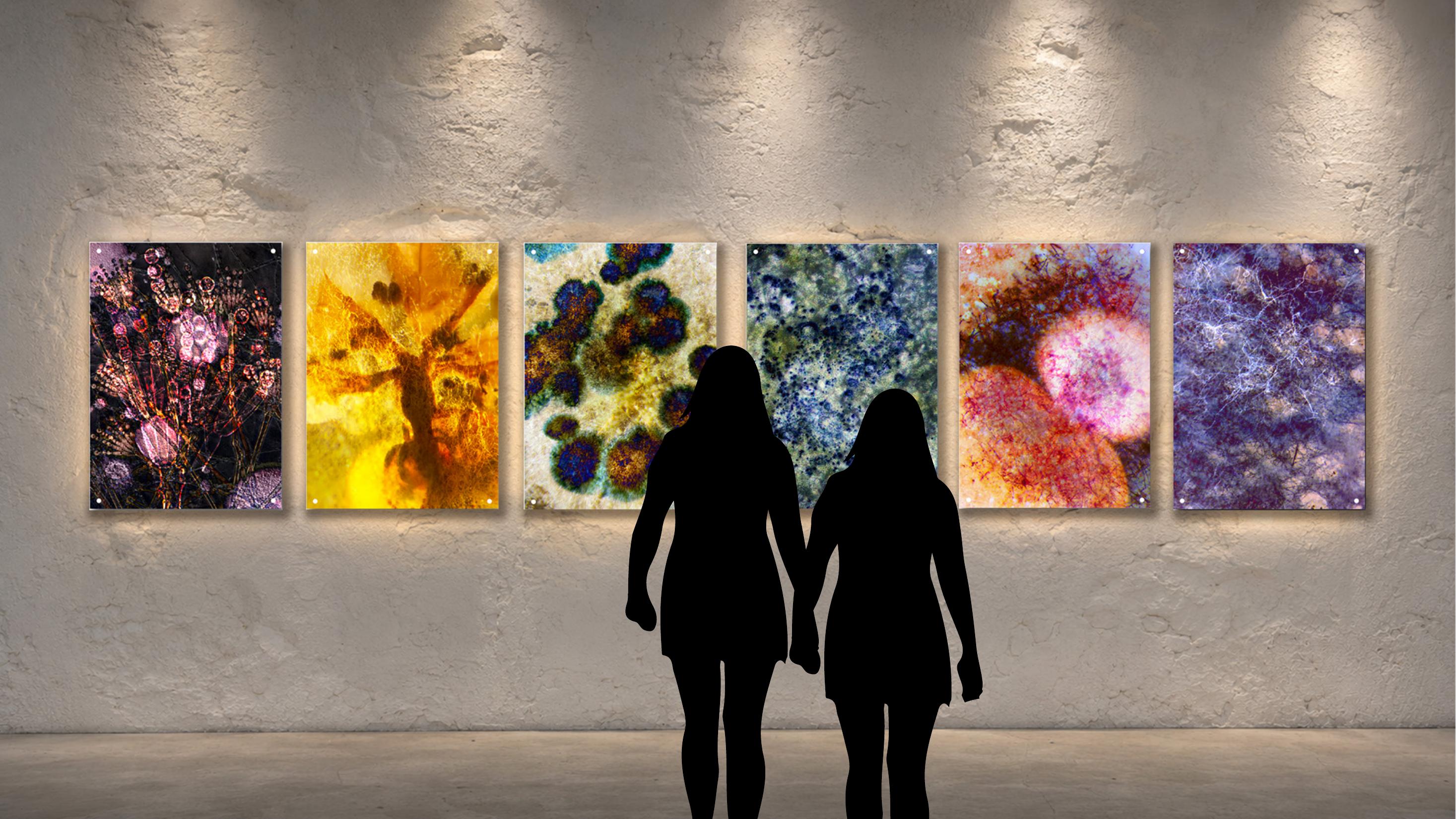
The exhibition brings the research into a shared space, inviting visitors to reconsider what is usually overlooked or rejected.
Time, care and interdependence can be generative forces; uncertainty and change can belong to the process, rather than be treated as errors.
More about my practice ↗